Skip To Content

After You Adopt

From day-one questions to years down the road, our support doesn't end at adoption. We're committed to every animal for life, no matter what — if it's ever not the right fit, they can always come home to us.

The First 48 Hours

What to Expect When You Get Home

Your pet may be nervous, quiet, or even overly excited at first — all of this is completely normal. Give them space, keep things calm, and let them settle in at their own pace.

If anything feels off during these first two days — upset stomach, not eating, general adjustment concerns — reach out. We offer complimentary medical support for the first 48 hours after adoption.

For injuries or emergencies, please go to your nearest emergency vet immediately. Our complimentary support covers adjustment and wellness concerns.

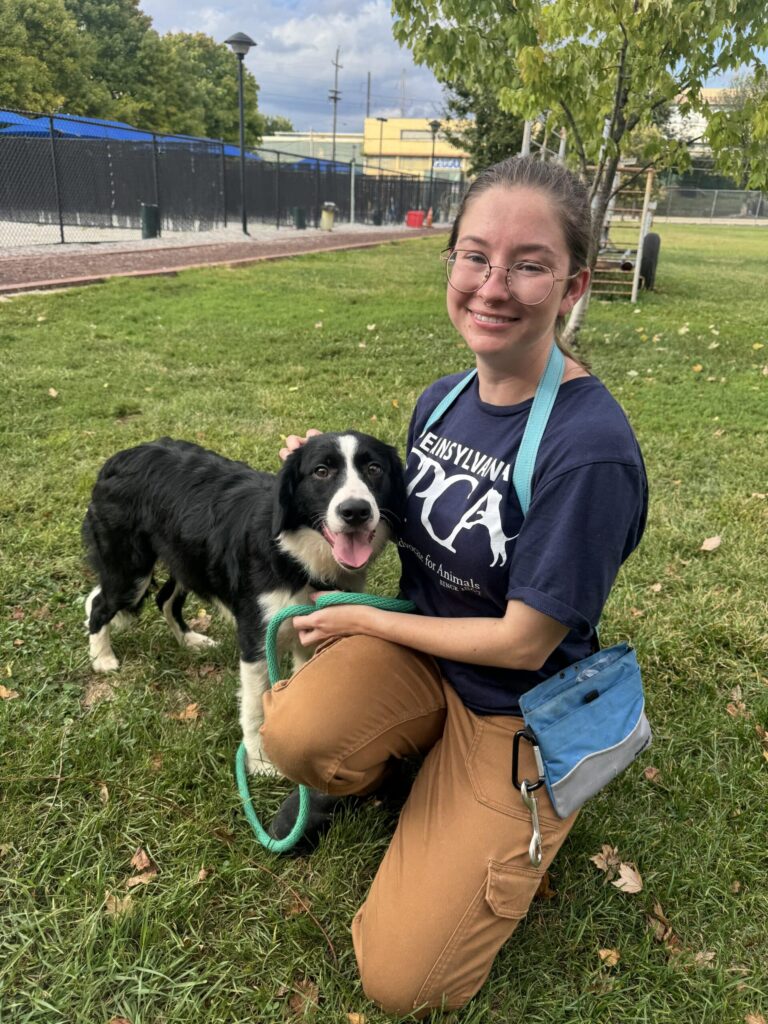
 

The First Few Weeks

The first weeks are an adjustment for the entire family, including your new pet. With time, patience, and a steady routine, you’ll soon see their true personality shine.

Getting Started

Your First Steps as a Pet Parent

Following those first couple of days, your pet is just getting started. Many experts talk about the “3-3-3 Rule” — 3 days to decompress, 3 weeks to learn your routine, and 3 months to fully feel at home. Every pet moves through this at their own pace, but here’s how to help them along the way.

  • Set Up a Safe Space

    Designate a quiet area with food, water, and a comfortable place to rest. Let your pet explore the rest of your home at their own pace.

  • Introduce Slowly

    If you have other pets, keep them separated at first and introduce gradually. Short, supervised interactions work best. The same goes for meeting new people - let them adjust to your small circle first before inviting more in.

  • Establish a Routine

    Consistent meal times, walks, and sleep schedules help your pet feel secure.

  • Schedule a Vet Visit

    Book a wellness exam with your own veterinarian within the first week. Don't forget to bring the medical records provided at adoption.

  • Be Patient

    Every pet moves at their own pace. Give them grace as they settle into their new world — just like you're adjusting too.

We're Here for the long haul

Support Beyond Adoption Day

Your support from the Pennsylvania SPCA doesn’t stop at adoption day. We want every adoption to last a lifetime — and we’re here to help make that happen, however long it takes.

You’re Part of the PSPCA Family for Life

What that includes:

  • Complimentary consultations with our Behavior team
  • Access to our Pet Parent Library of downloadable guides
  • Access to our veterinary clinic — from vaccines to wellness visits, we’re your pet’s care partner for life
  • A lifetime commitment — if it’s ever not the right fit, they’ll always have a home to come back to
We're Here For You

Behavior Consults and Guidance

House training challenges, introduction struggles, or general adjustment questions — our Behavior team is here to help. Most issues can be worked through with a few small adjustments, and we have the experience to guide you through them for as long as you need us.

Common Questions

Adjusting to life with a new pet comes with questions. Here are some of the most common ones we hear from new adopters.

Every pet is different, but many follow what’s known as the 3-3-3 Rule: about 3 days to decompress, 3 weeks to settle into a routine, and 3 months to feel fully at home. Don’t be discouraged if your pet seems shy, cautious, or not quite themselves at first — that’s completely normal, and it gets better with time, patience, and consistency. Browse our New Pet Parent Library below for additional tips and tricks.

It’s very common for a new pet to hide, seem withdrawn, or skip a meal or two while adjusting to a new environment — try not to worry right away. Give them a quiet space and let them come around at their own pace. If it’s been more than 24 hours with no interest in food, or you’re seeing other concerning signs like vomiting, reach out to us within the first 48 hours for complimentary medical support. After that window, please contact your veterinarian.

Accidents are a normal part of the adjustment period, especially with a new routine in a new place. Stick to a consistent bathroom schedule and reward successes — most dogs settle into house training within a few weeks. If accidents come along with symptoms like diarrhea or vomiting, that can be a sign of stress or a stomach upset from the transition. Reach out to us within the first 48 hours for complimentary medical support, or contact your vet if it’s been longer. Browse our New Pet Parent Library below for additional tips and tricks.

Take introductions slow. Keep pets separated at first, then allow short, supervised interactions, gradually increasing time together as everyone gets comfortable. Every pet adjusts at their own pace, so don’t rush it. Browse our New Pet Parent Library below for additional tips and tricks.

We recommend scheduling a wellness exam with your own veterinarian within the first few weeks — be sure to bring the medical records provided at adoption. For urgent concerns in the first 48 hours, our team offers complimentary medical support; for anything after that, or true emergencies, please contact your vet or nearest emergency clinic.

We understand that not every match is the right fit, and that’s okay. If things aren’t working out, please reach out to us — every animal we place is ours for life, and they’ll always have a home to come back to with us.

Thank You for Adopting

By choosing adoption, you have given an animal a second chance. Welcome to the PSPCA family.